
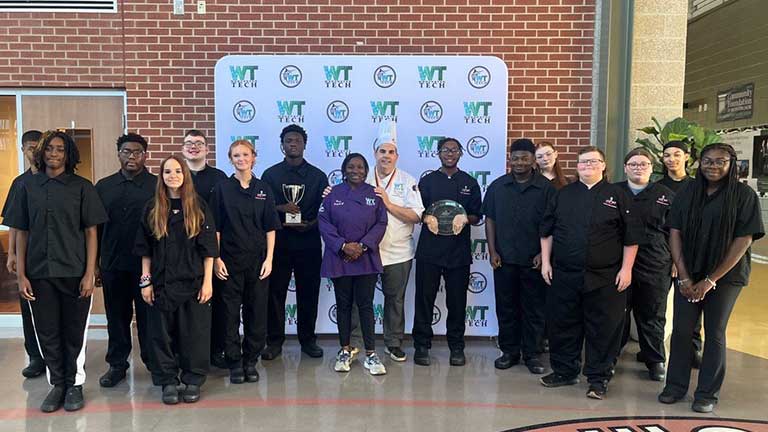
As I prepare my students for the SkillsUSA Maryland Fall Leadership Conference, I’ve been reflecting on the heart of what we do as educators and more importantly, why we do it. For me, this reflection is deeply personal. Over the past year, I’ve been researching new teaching practices and the science of learning, exploring how the brain learns best and how to make learning stick. What I’ve discovered has changed the way I teach, lead, and connect with my students.
It turns out that the most effective classrooms are not built around lectures or textbooks they’re built around purpose, emotion, and experience. When students feel ownership of their learning, when they understand why it matters, and when they can apply it in meaningful, hands-on ways that’s when the magic happens. That’s also where SkillsUSA shines brightest.
Every fall, as our students prepare for competitions, interviews, and leadership events, I’m reminded that Career and Technical Student Organizations (CTSOs) like SkillsUSA are not “extras” in education. They are the bridge between what we teach and what the world needs. They connect classroom learning to real-world purpose and that’s what keeps students engaged, motivated, and ready for the workforce.
In my Culinary and Pastry Arts programs at Worcester Technical High School, the SkillsUSA Framework for Developing Personal, Workplace, and Technical Skills Grounded in Academics has become the foundation of everything we do. It’s not a poster on the wall it’s our culture. Every lab, every catering event, every service at our student-run Pines Café connects back to those three core areas of growth: personal, workplace, and technical skills.
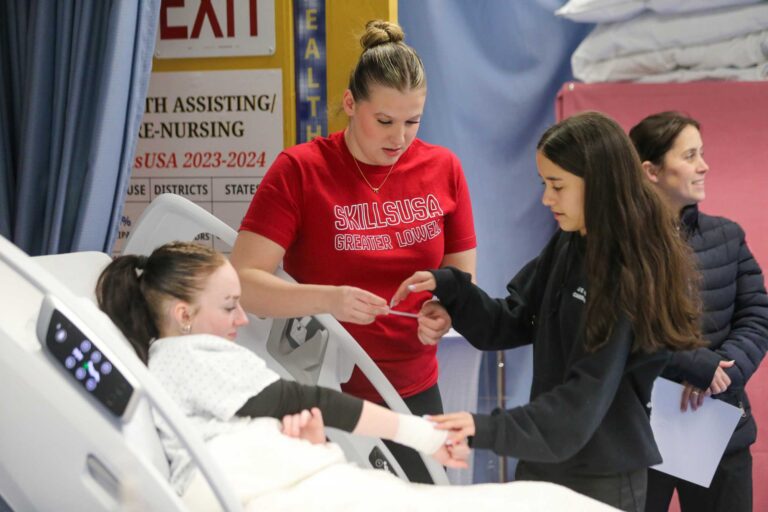
What I’ve learned from studying the science of learning is that reflection and feedback are just as important as performance. So, in my classroom, students now take time to pause, analyze, and discuss not just what they did, but how they grew. After each service or SkillsUSA event, they identify what they learned about leadership, communication, and resilience. That reflection turns a routine task into a lasting lesson; and it’s incredibly powerful to watch.
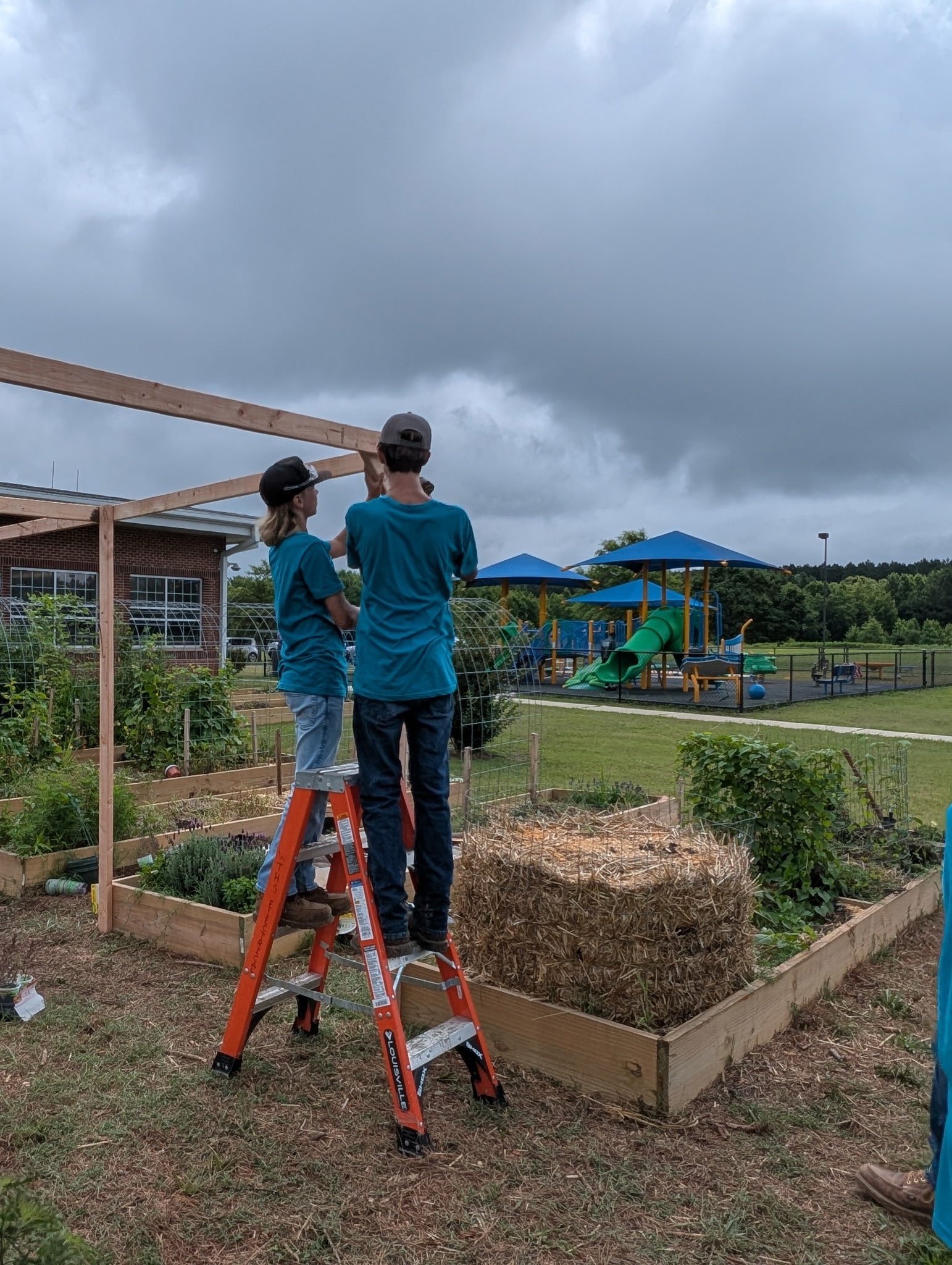
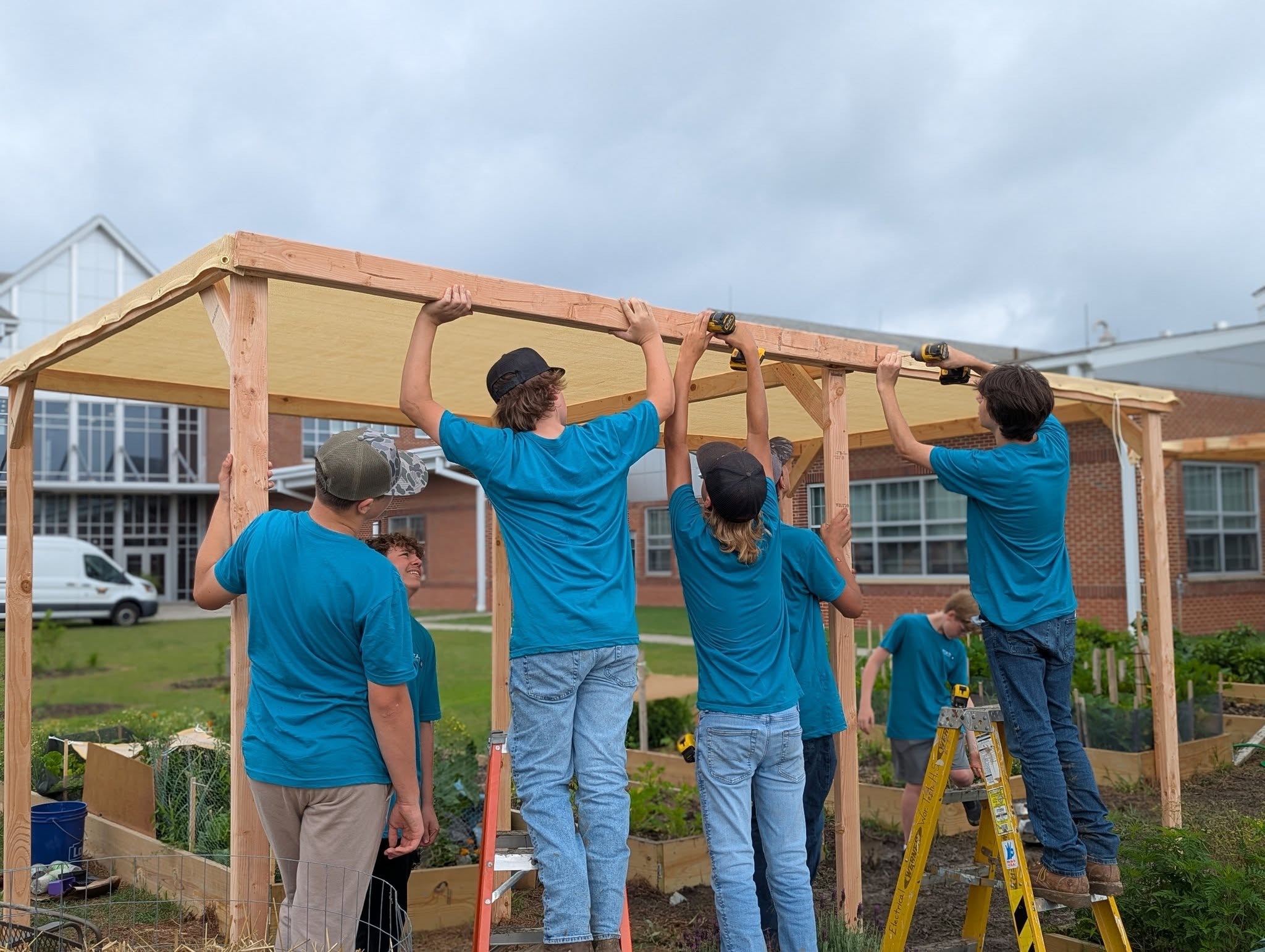
As a result, I’ve watched my students grow in ways that continue to amaze me. I’ve seen quiet, unsure students evolve into confident leaders who can manage an entire café or speak eloquently to a room full of industry professionals. I’ve seen them use SkillsUSA competitions as steppingstones to professional success securing youth apprenticeships, scholarships, and full-time jobs before they even graduate.
That’s why the Maryland Blueprint for Education and the North Star initiative resonate so strongly with me. The Blueprint outlines what education should look like equitable, career-connected, and focused on readiness for life. SkillsUSA provides the how. Together, they create a model for the kind of education our world needs right now.
The North Star’s call for every student to be connected to careers, grounded in belonging, and empowered for life could easily be the mission statement of any SkillsUSA chapter. In my classroom, it’s visible every day in the way students support each other, take pride in their work, and see their education as a path to something meaningful.
The science of learning reinforces this beautifully. Neuroscience shows that students learn best when they experience emotionally charged, socially connected, and goal-oriented tasks. That’s exactly what happens when a student competes, leads, or serves through SkillsUSA. Learning becomes personal, relevant, and deeply memorable the kind of learning that shapes character as much as competence.
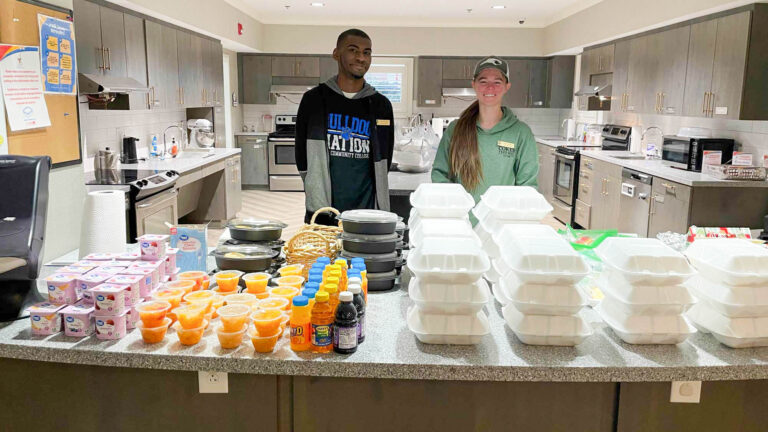
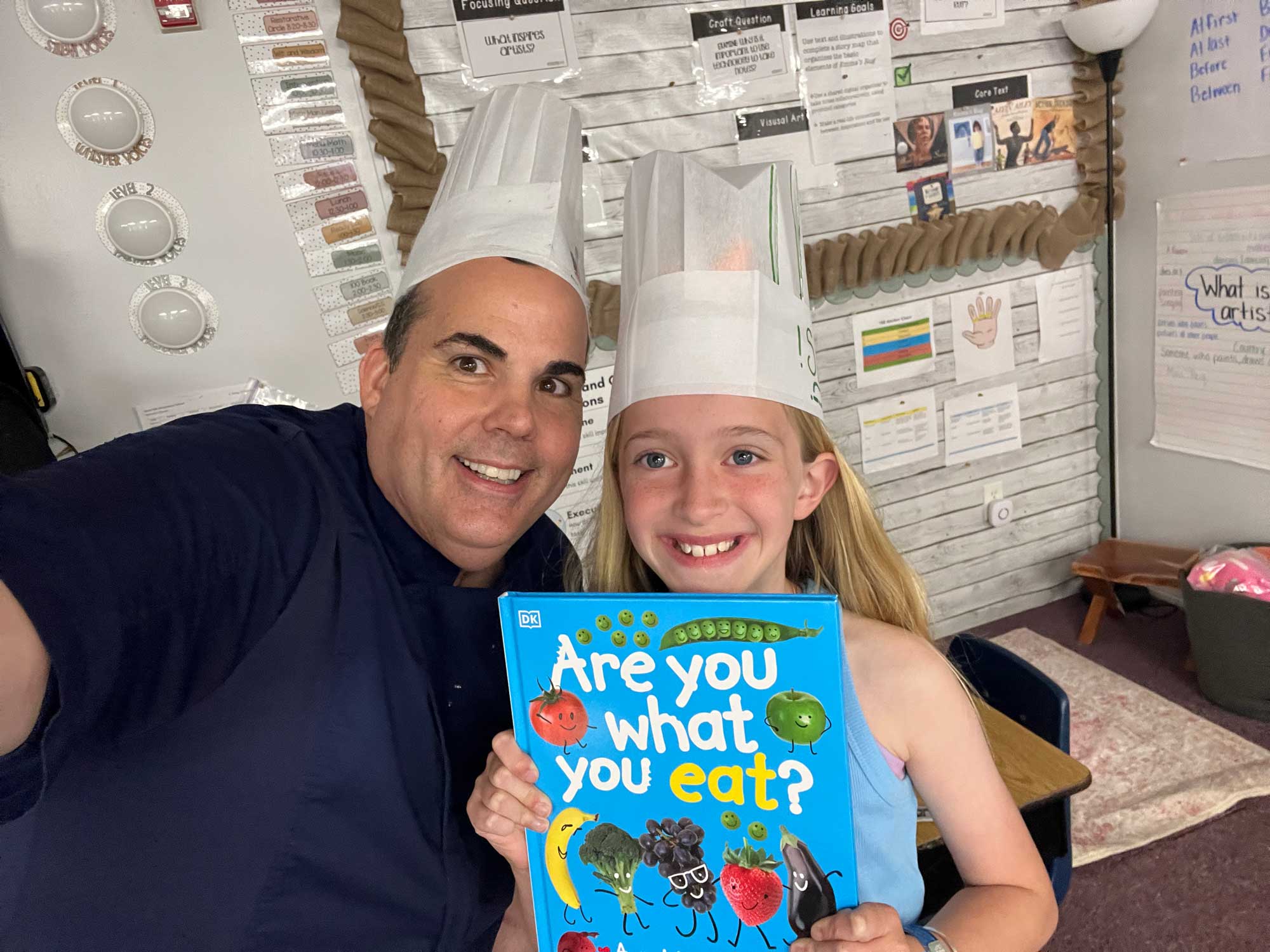
This is what I mean when I talk about ‘Education Without Walls.’ It’s learning that transcends the classroom, connecting students to their community and to themselves. It’s about showing them that their work has impact whether they’re preparing a meal for hospital staff, catering a local event, or mentoring an elementary student through our hydroponics outreach project.
As educators, we often talk about preparing students for college and career readiness, but SkillsUSA helps us do something even greater it helps us prepare them for life readiness. The ability to lead, to communicate, to adapt, to think critically those are the skills that will define success in the decades ahead.
And as I sit here preparing for another SkillsUSA Maryland Fall Leadership Conference, I can’t help but feel inspired. I think about my students walking into that room nervous, excited, unsure and I know that by the end of the experience, they’ll walk out changed. They’ll stand a little taller, speak with more confidence, and begin to see themselves the way I do as the next generation of Maryland’s workforce, leaders, and changemakers.
Competitions may end, cafés may close, and menus may change but the lessons learned through SkillsUSA last a lifetime. The Blueprint gives us the vision, the North Star gives us direction, and the science of learning gives us the methods to make that vision real. SkillsUSA brings it all to life turning classrooms into incubators of leadership and transforming learning into something students will carry with them forever.
That’s why I believe so deeply in this work because I’ve seen the results with my own eyes. And as long as I’m teaching, leading, and learning alongside my students, I’ll continue to use the SkillsUSA Framework as my recipe for success: one part purpose, one part passion, and a generous helping of opportunity.
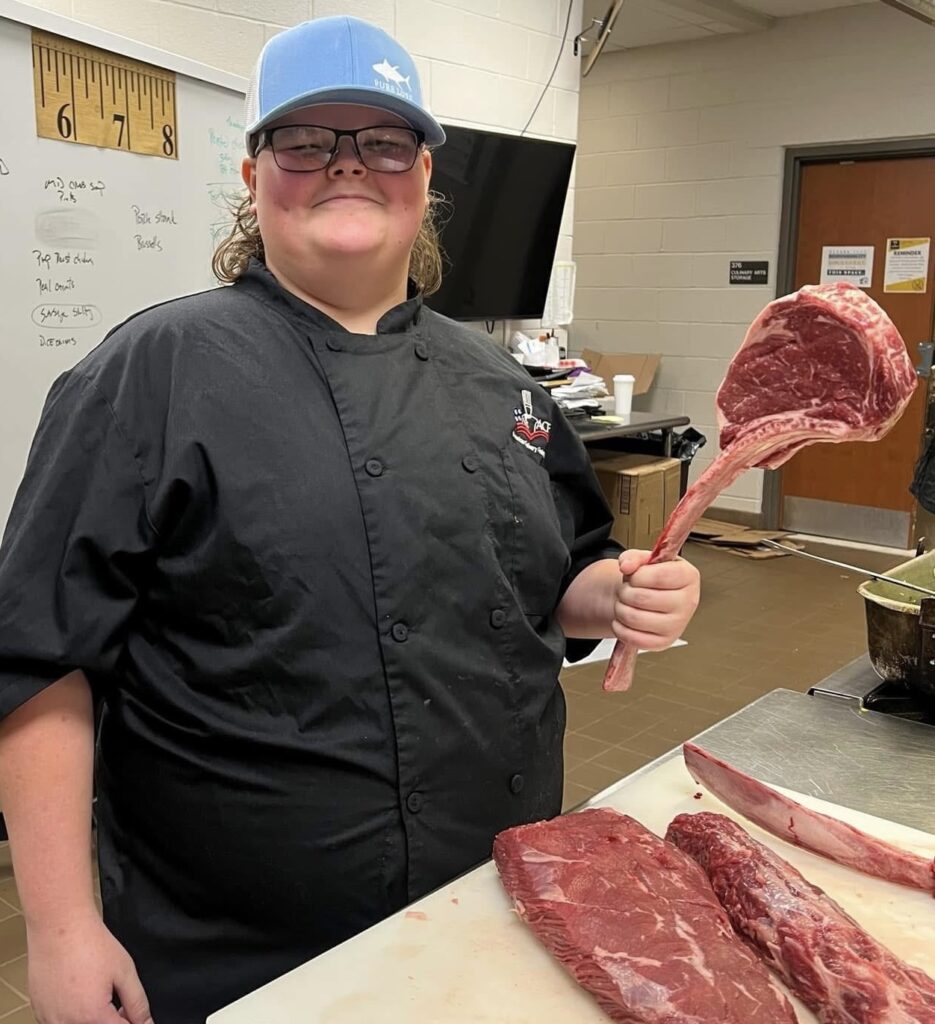
“Being part of both FFA and SkillsUSA has given me the confidence to plan for my future. The leadership skills I’ve developed in both organizations have helped me find my direction …. I’ve learned how to lead, communicate, and take responsibility for my goals.”
goals.”
— Jack Phillips, Senior in the Culinary Arts Program & AM Treasurer for SkillsUSA and FFA