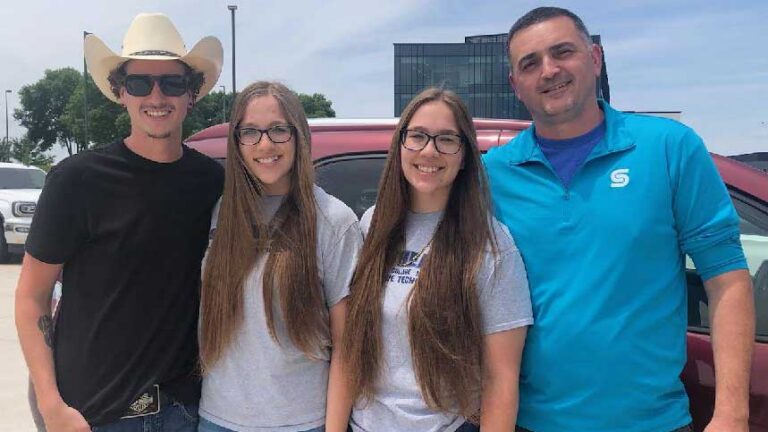

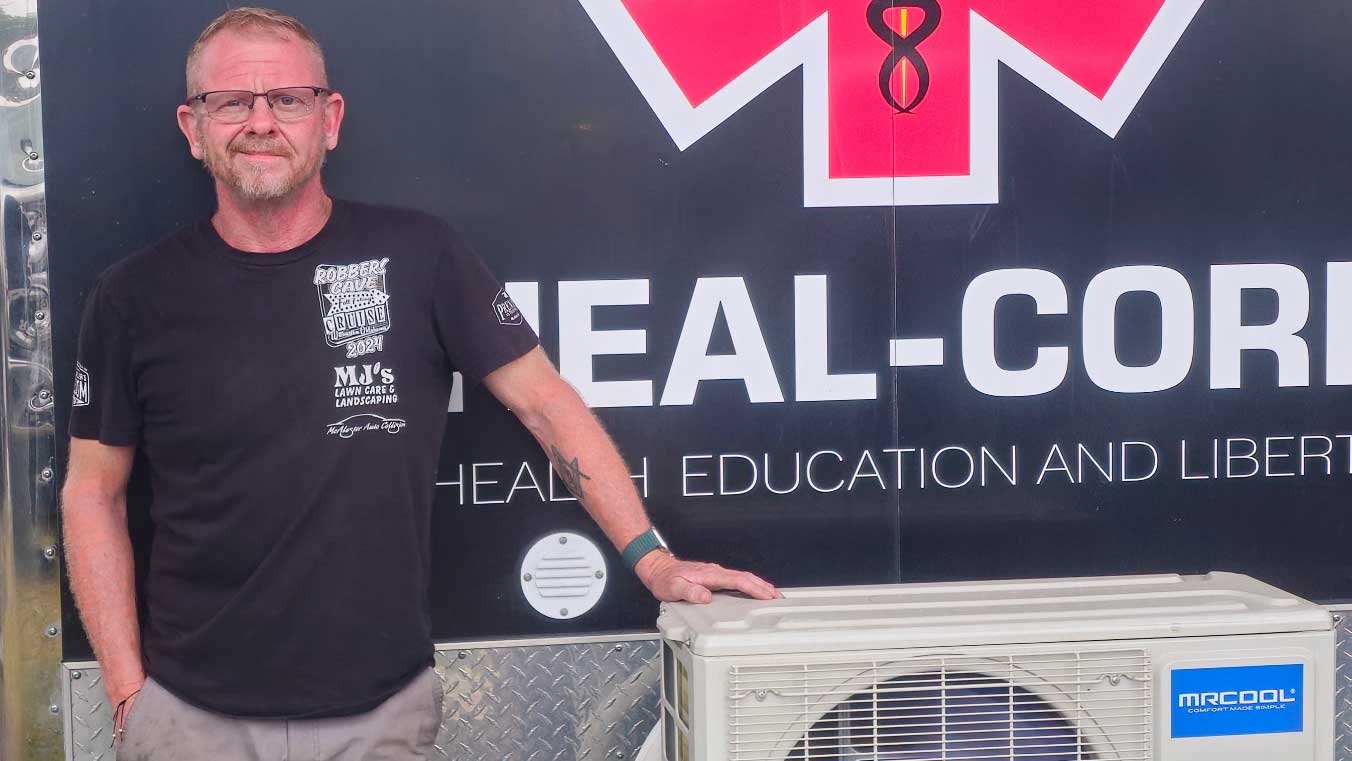
Photo courtesy of Alvin Wright.
Al Wright thinks about Jim Smith every time he shakes someone’s hand.
Smith was the SkillsUSA Arkansas State Association director, and he taught Wright one of his first lessons in the organization: Nobody wants to grip a “dead fish.” A limp handshake makes a lousy first impression.
“It sounds crazy,” Wright says, “but I still think about that every time I shake a hand, even to this very day. Wow! What an impact!”
Over the years, that handshake has greeted soldiers, engineers and the senior leaders of the U.S. military. But Wright’s story began in Texarkana, Ark., with a teenager who had nobody at home to teach him much of anything.
Self-Propelled
Wright attended Arkansas High School, but only for half of each day. He spent the other half at work through the school’s Industrial Cooperative Training (ICT) program, earning the money to pay his own bills.
His father, whom he describes as “an amazing father,” was disabled and lived a good distance away. Wright didn’t want to add to his burden. His mother and siblings were another story.
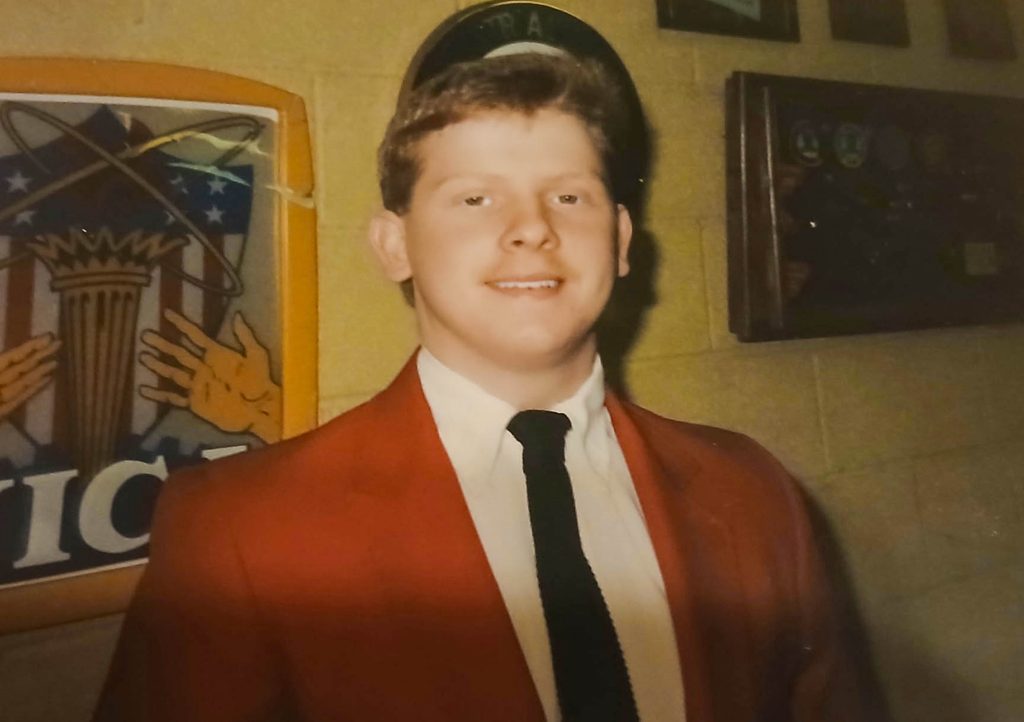
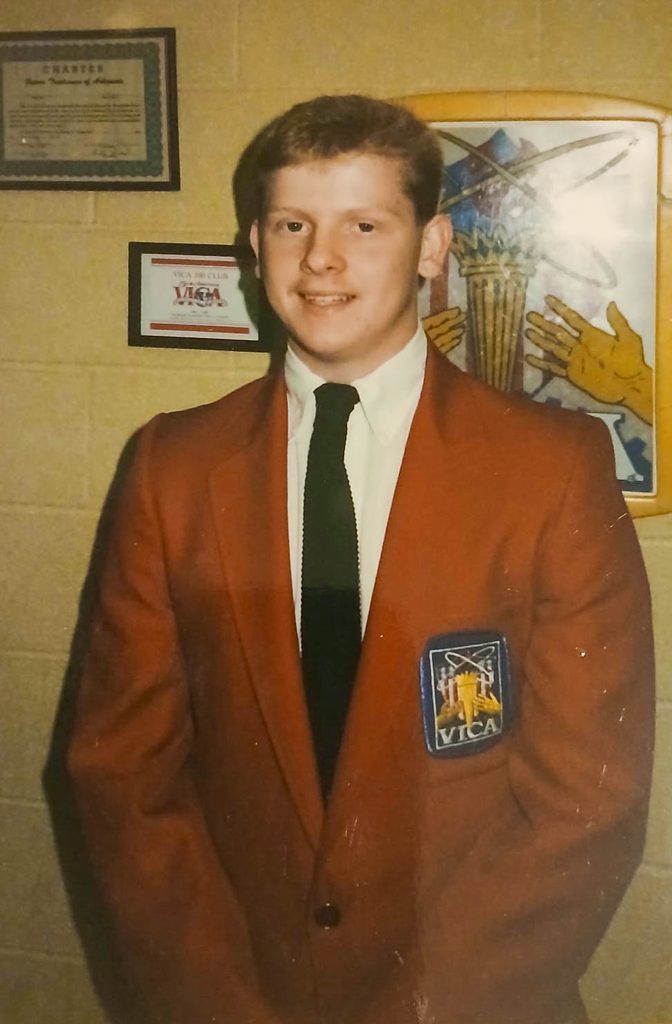
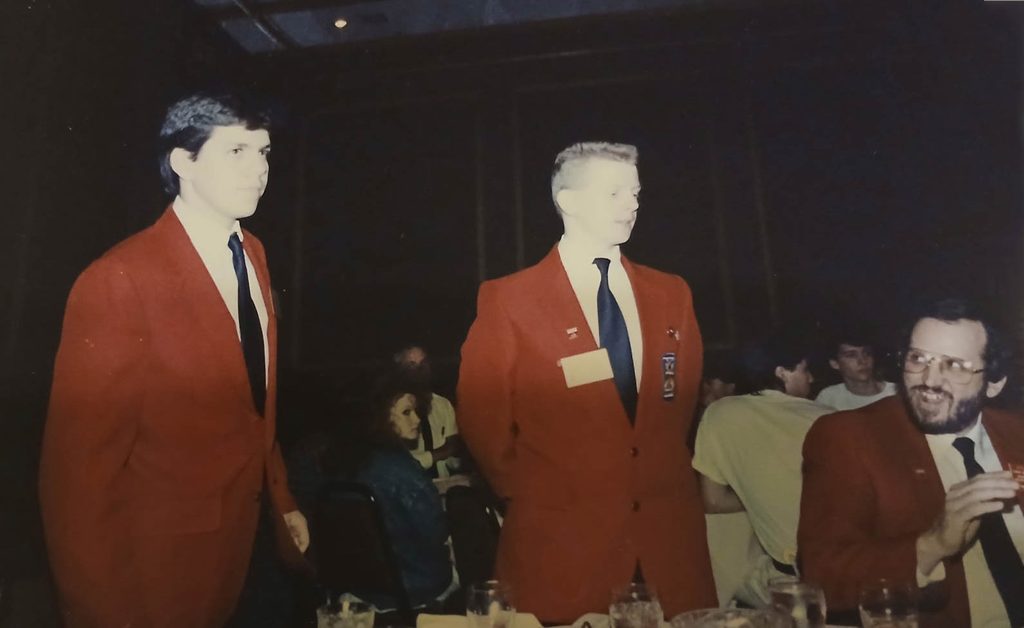
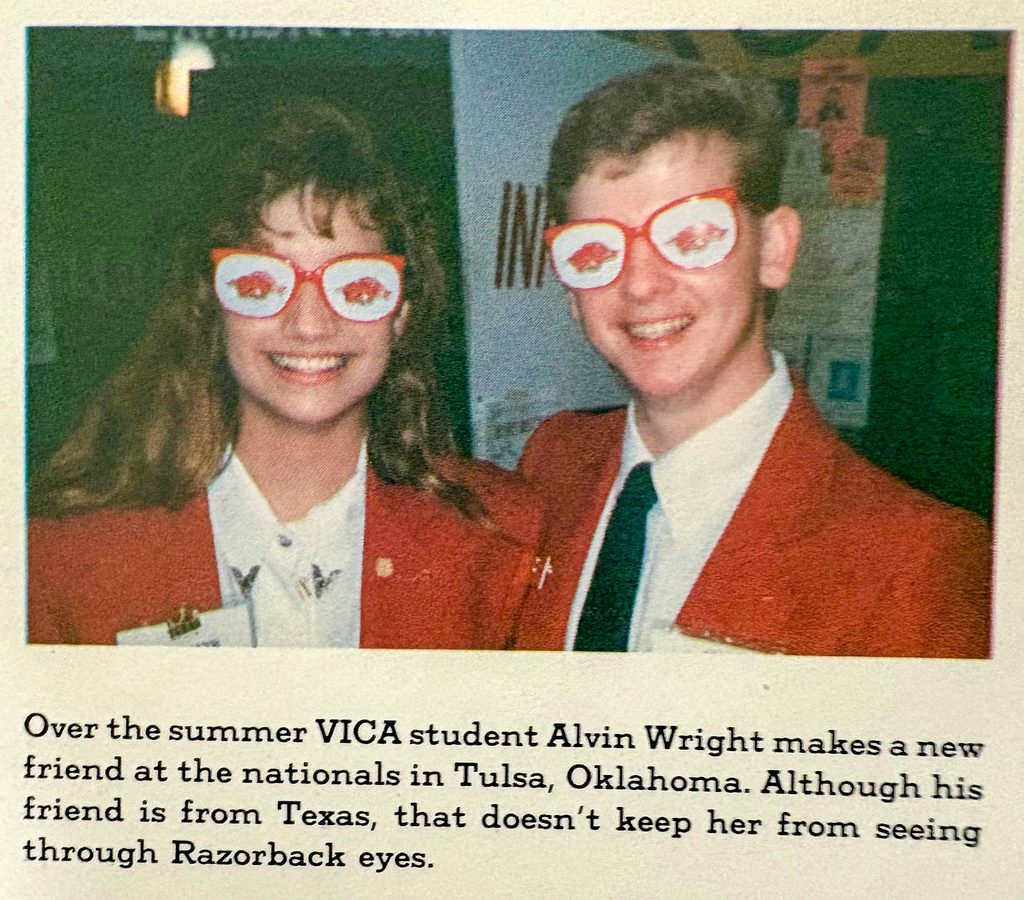
“My mother moved out and left me standing at 17 years old,” he says. “It was a tough time to be a kid and be on your own, but being involved with VICA (as SkillsUSA was known at the time) and the educators from my school gave me something to learn from and focus on. It eventually became an amazing tool that taught me to be independent and move forward on my own.”
Locked On
Two of those educators became something closer to family. Frank Buchanan taught ICT and led VICA on campus. His wife Janet taught English and literature down the hall.
“They cared about me when no one else did,” Wright says. “That truly changed the trajectory of my life.”
The Buchanans saw a talent in him that he hadn’t noticed himself: extemporaneous speaking. They pushed him to compete in the event, and as a senior he won a scholarship. They also encouraged him to run for state and national office. He didn’t win either race. He says the experience was amazing anyway.
More than 30 years later, Wright still talks to Frank and Janet regularly.
Extended Range
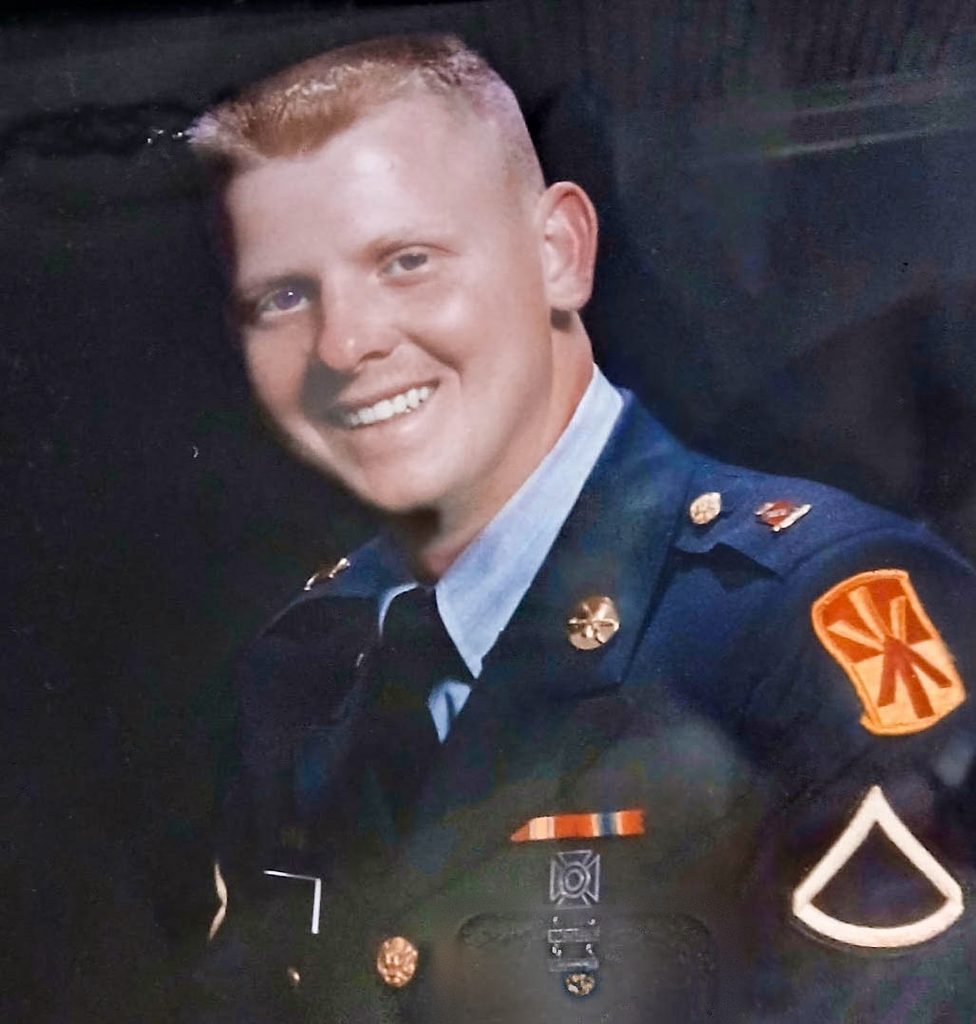
Wright graduated in June 1991 and enlisted in the U.S. Army. He’d always wanted to be a soldier and the Army looked like the surest way to learn a skill and support himself.
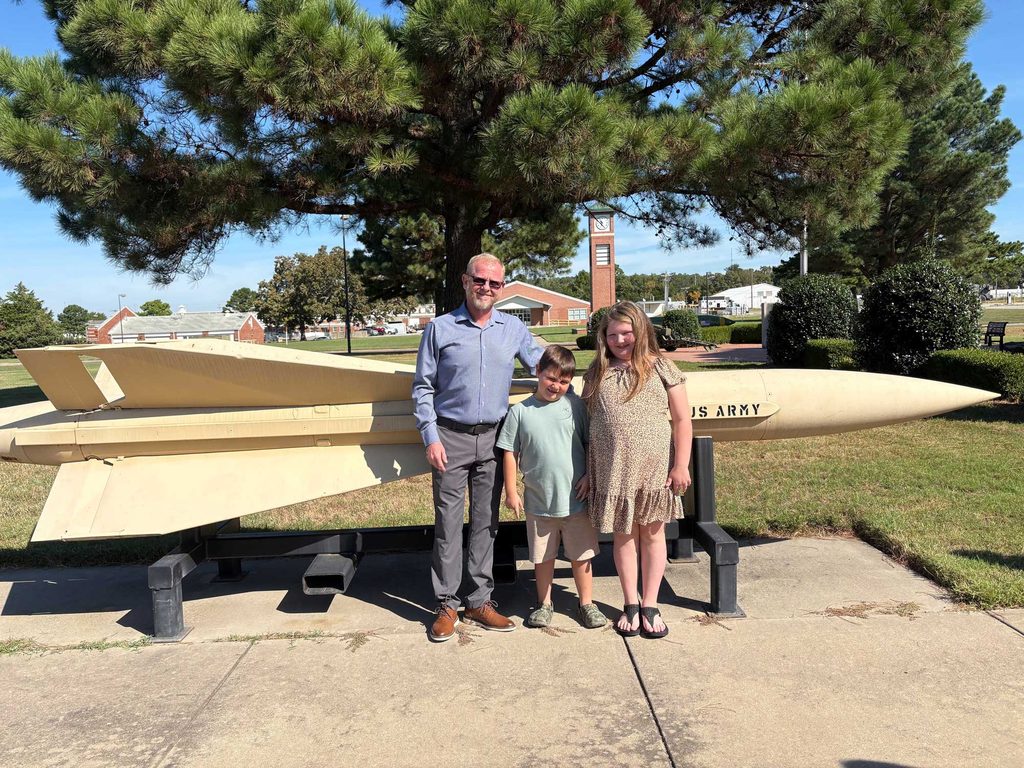
He trained as a Patriot missile crewmember. Operation Desert Storm had ended that February, but the mission in the region hadn’t. Saddam Hussein still had plenty of Scud missiles, and Patriot crews were needed to keep watch.
Wright deployed to Southwest Asia twice: from November 1992 to March 1993, and again in the first half of 1995. Much of that work happened outside public view. He came home with the Southwest Asia Service Medal with two bronze service stars, plus the Kuwait Liberation Medal.
While Wright didn’t plan on college, he could tell that someday he’d need a degree to rise beyond where he started. When the Army discharged him as a disabled veteran in 1998, Wright went back to school. Two college degrees later, he returned to the federal government as a civilian working on missile systems and went wherever the work was. This often meant moving his family overseas.
Over the course of his career, Wright worked on Patriot, Hawk, Tomahawk, Stinger, Paveway and Maverick missiles and the Joint Standoff Weapon, and that list is incomplete. By the time he retired from the Department of Defense on Oct. 1, 2025, he’d earned subject matter expert ratings on 13 missile and artillery systems.
The technical knowledge was important, but Wright says the skills he learned in VICA mattered more. None was more important than knowing how to communicate.
“Communication skills on an individual basis and, more importantly, on a mass communication basis are the keys to success no matter what a person is doing,” he says.
Those skills got their toughest test when he became a special assistant to Gen. Ann E. Dunwoody, the first woman in U.S. history to earn four stars. Every day, his work put him in contact with the military’s top leadership, including the Joint Chiefs of Staff and Army Chief of Staff Gen. Raymond Odierno.
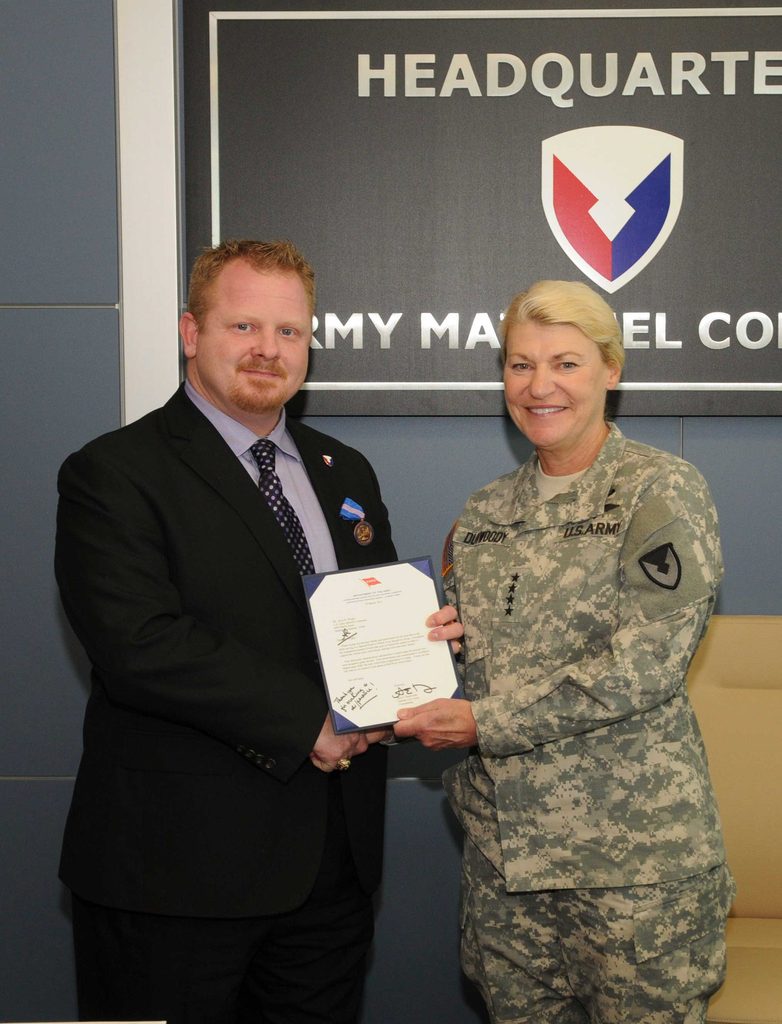
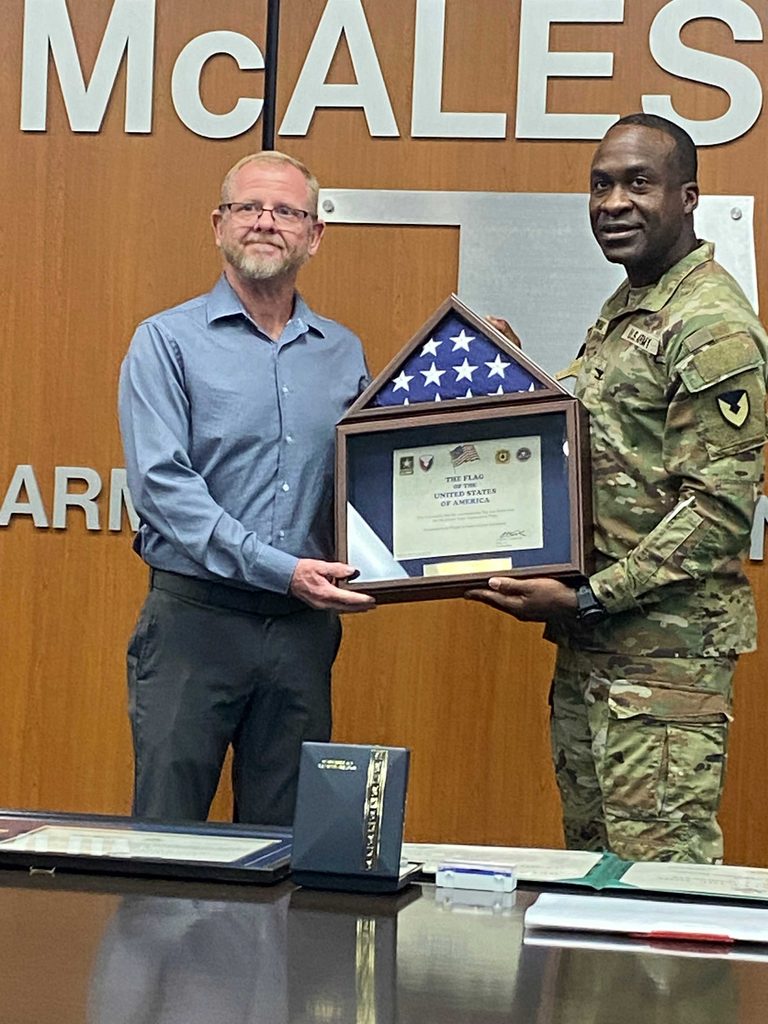
When he looks back on his career, his favorite work was handling the general’s public engagements: speaking, messaging and speechwriting. It’s a long way from an extemporaneous speaking contest in Arkansas, and it’s also a straight line.
“To be part of a historical moment in time was humbling,” Wright says. “This was one of those times in my life and career that I realized just how important VICA was in my developing younger years. Had it not been for my experience in VICA, I would not have had the skills to communicate and publicly speak in large forums to the highest levels of leadership.”
Bringing Them Home
Retirement hasn’t slowed him down either. Wright and Teresa, his wife of 35 years, own Austin Street Cottages in Jefferson, Texas, and they’re working toward adding breakfast to turn it into a full bed-and-breakfast. He has also started OutlivePTSD, a nonprofit that helps people survive post-traumatic stress, and he’s working to get it 501(c)(3) status.
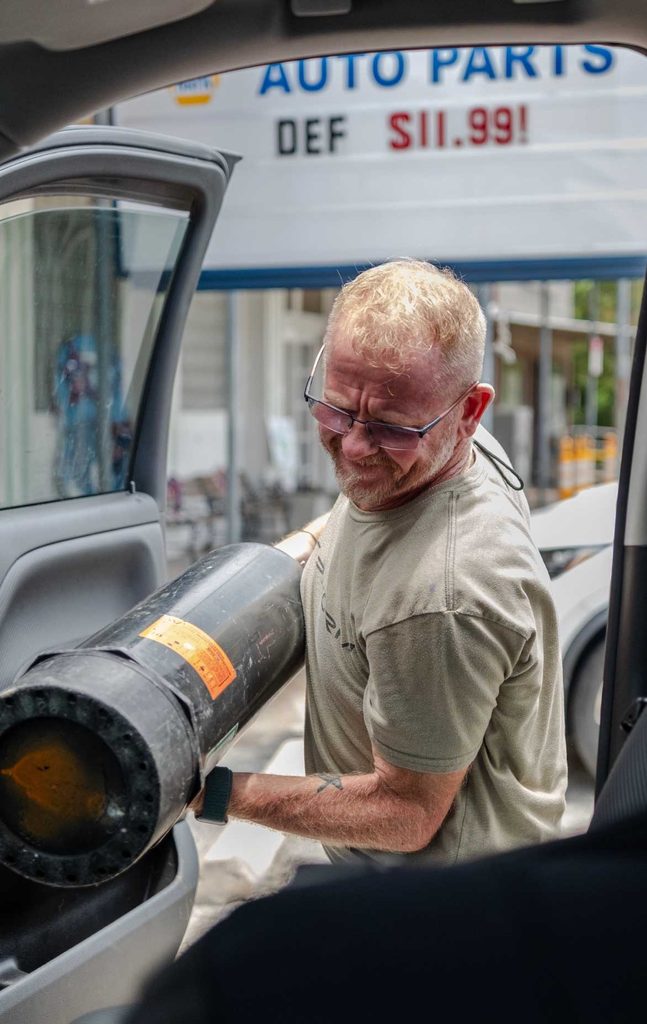
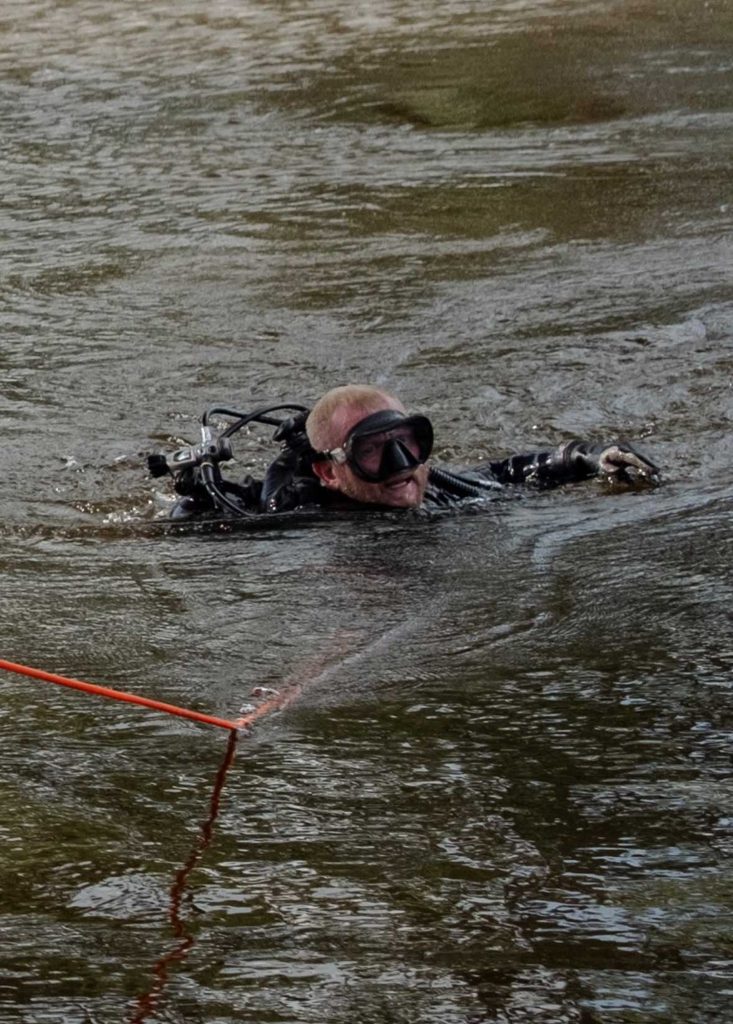
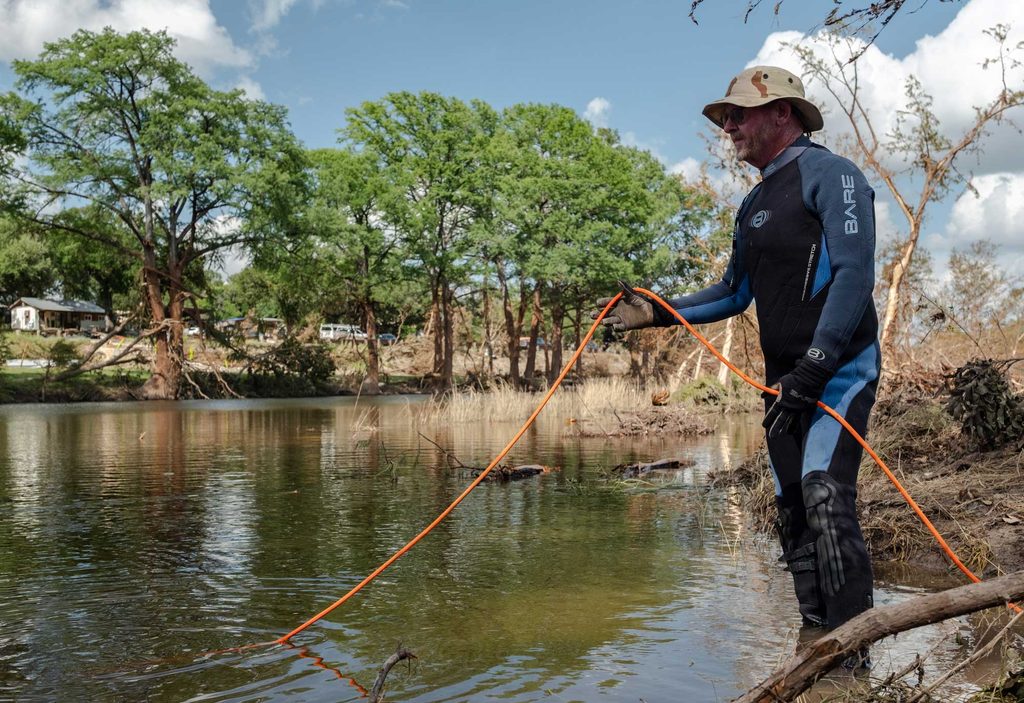
He has volunteered as a rescue and recovery diver since 2009, and retirement has given him time to add more certifications, including Public Safety Diver and Search and Rescue Technician II (SARTECH II).
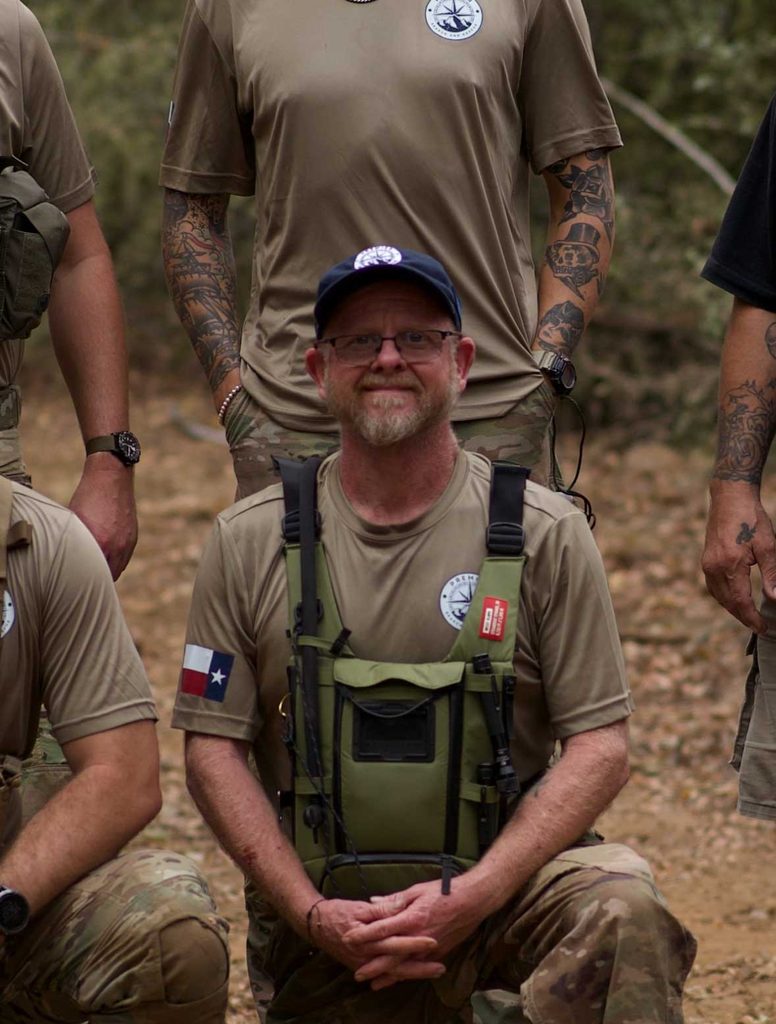
After the July 2025 floods, he spent 12 days working in Kerrville, Ingram and Comfort, Texas, on what he calls “bringing the angels home.” He came away with a new team: Premier Search and Rescue, an outreach ministry of Steelcroft Ministries.
Now he’d like to add one more mission. Wright would love the opportunity to speak to SkillsUSA classrooms, conferences and state associations. He wants to tell students who are in the situation he was in that they can break the cycle.
“You do not have to be a product of your childhood or environment,” he says. “It’s not easy, but it is well worth it.”
He’d also tell them a degree helps but doesn’t guarantee anything. Work ethic, morals and doing what you know is right will carry you further, along with a willingness to keep learning for the rest of your life. He used to tell his own children something similar.
“Doing the right thing is rarely fun and never easy,” he says, “but it is still about doing the right thing.”
He’s quick to add that work isn’t everything. He wants members to go after every opportunity and never settle for just enough, but also to protect their own self-worth, leave work at work, and be there while their kids are growing up.
“I believe the legacy you leave behind in your family,” Wright says, “ultimately will show your true level of success.”